
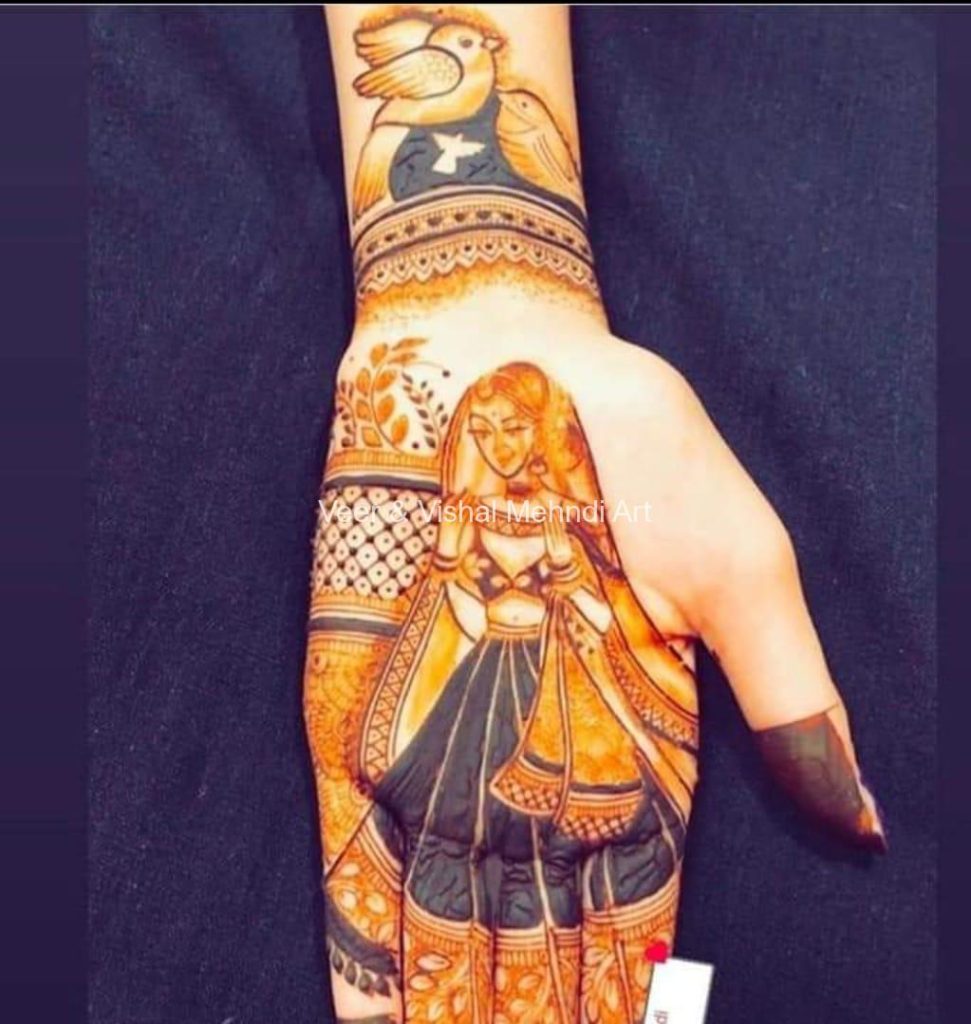
Mehndi, also known as henna across the globe, is a paste often associated with good fortune and positivity. It is one of the oldest forms of body art originated by humans. Women and girls get their hands and feet laden with this paste on auspicious occasions. Be it weddings or festivals like Diwali, Bhai Dooj, Teej or Eid – Mehendi is an extremely cherished way to drench into the celebratory feels for most girls. While some women swoon over its aromatic fragrance, others absolutely love their hands adorned with pretty and intricate mehndi designs. But now, as time has advanced, it is common for men to apply mehndi as well.
The Mehendi paste is derived from the powdered dry leaves of the henna plant to decorate a person’s body. The leaves are dried in sun and then ground to get a fine mossy green powder. It is then mixed with an adequate amount of water, lemon juice and a few drops of eucalyptus oil to obtain a smooth paste. The paste is further soaked overnight for infusion of all ingredients and then poured in a plastic cone for application. Moreover, the word ‘Mehendi’ is originally derived from a Sanskrit word ‘Mendhika’ which is referred to the henna plant itself.
As mentioned above, women usually decorate their hands and feet with beautiful mehendi designs. But now, not only men but even cancer patients who lose their hair growth are also making full use of this natural paste to decorate their bald scalps. The mehendi paste is green in colour but the standard colour it leaves on the skin is brown. However, with the advances in mehendi designs and techniques, colours like white and gold are also being employed.